
Understanding the Long-Term Effects of Childhood Sexual Abuse
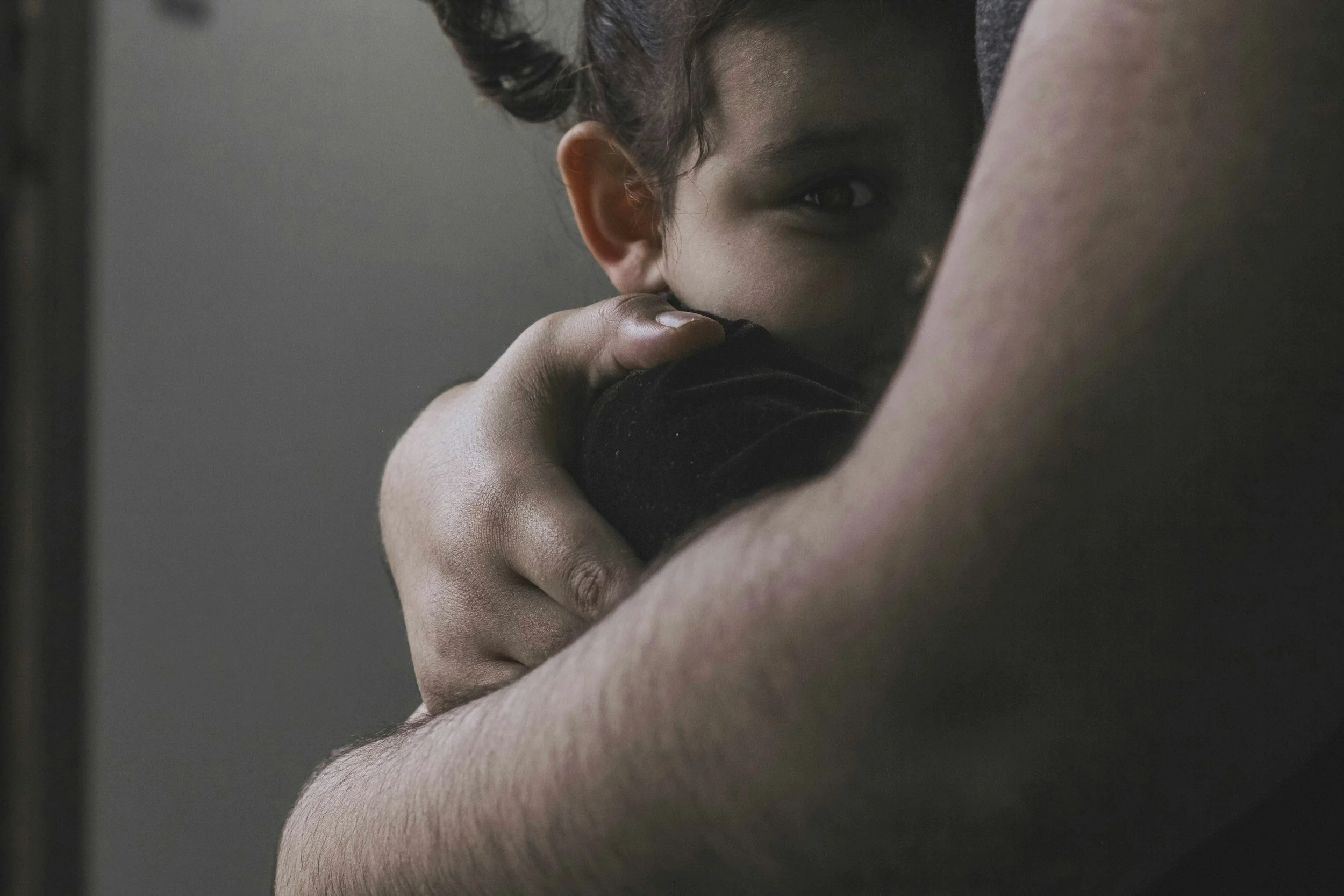
A child who has suffered sexual abuse may choose not to disclose it to anyone, even their parents. They may wish to keep this part of themselves hidden away for a very long time - the deep shame and inner turmoil, then becomes unconscious and can display as behaviours, emotions, thinking, flashbacks and triggers. What are some signs that a child may be hiding sexual abuse? They become isolated, falling behind on education, depression and anxiety, obsession with an adult or develop a person of interesr, hypersexuality, not wanting to bathe properly (they may decline in hygiene), emotionally dsyregulated whereby they struggle to manage negative emotions such as anger, withdrawing from social activities, not wanting to play with other children and much more. According to the National Society for the Prevention of Cruelty to Children (n.d.), a child may not understand what is happening to them and may be in the belief that the abuser is doing nothing wrong. You can also find more signs on their website; https://www.nspcc.org.uk/keeping-children-safe/types-of-abuse/child-sexual-abuse/#signs.
Childhood sexual abuse falls under the Adverse Childhood Experiences study which was produced by Felitti et al. (1998), whereby this landmark study found children who have suffered traumas are more likely to experience health issues later in life. They noticed a pattern in their clinic where trauma was highly correlated with individuals who were attending their dietian clinics. Accordingly, the more traumas a child endured, the more likely they are to have a shorter life span and more health difficulties. They report increased risks of smoking, alcoholism, drug use, depression, suicide attempts, heart disease, cancer, chronic lung disease, and other serious health conditions.
Trauma, especially sexual abuse can cause some victims to neglect awareness of their body, due to feelings of shame and dissociation. This causes the individual to live in their mind predominately and become more susceptible to having much cognitive thinking. They begin to neglect bodily sensations such as being unaware when they are full when eating, when aroused or in fear. Yoga can help an individual become more body aware (Demir, & Hasateş, 2026).
Victims may also suffer flashbacks from the abuse, although it is unlikely children will take direct flashbacks with them into adulthood if they have suppressed it and chosen not to disclose it or heal from it in childhood. This then becomes what we call an ‘unconscious flashback’ - the person is not aware the flashback is directly related to the abuse. For example, the individual may have an unknown fear of the opposite or same gender, OCD type symptoms such as intrusive thoughts, panic attacks from related events on the news or feeling out of control at any time.
This is because the trauma becomes trapped in the nervous system and needs to be processed for the memory to be recognised as something that is no longer happening. The individual has suppressed the memory and event, never acknowledged it and left it open without closure. EMDR can help with processing memories correctly and identity rebuilding can help to regain confidence and self worth. It does not always have to be EMDR though, sometimes a person can just bring the memory to conscious themselves and allow the emotions and thoughts attached with the event to be there without suppressing them again. It is usually advised a victim waits around 6 months before bringing the suppressed traumatic incident to consciousness again.
It was also found, individuals who have undergone sexual abuse can be more reluctant to report rape due to something called ‘unwanted arousal’ which causes shame and self doubt. The study concludes unwanted arousal needs to be discussed in sex education as something that is normative during rape or exploitation to reduce levels of shame and prompt the victim to come forward rather than victim blaming (Ramakrishnan et al., 2026). It could be that the individual is scared they will not be believed by services because the perpetrator may tell the courts that they ‘enjoyed it’ therefore giving them an excuse to continue blaming it on there being no signs the person was uncomfortable.
Alongside, one study carried out by Dulcek and Sisman (2026) in Turkey, introduced children aged 4-6 years old to a programme called ‘My Body is Safe’. With this, the child’s parents can get involved with it, the school and the community to bring more awareness to children from a young age. The study showed overall, the programme was effective for helping children with self protection - the authors encouraged schools and nurses to adopt the programme for all preschoolers to access.
Lastly, the long term impacts of childhood sexual abuse is still being widely studied in a sense of helping children to become more aware of sexual abuse and to report it straight away. Doing this can also prevent traumas becoming lodged into the nervous system and projecting unconsciously as an adult into the symptoms described above. It is an issue that is not easy to implement due to the complexities of the developing brain. More so, there are other complexities such as safeguarding and reporting bias such as confirmation bias and family-status bias.
References
Felitti, V. J., Anda, R. F., Nordenberg, D., Williamson, D. F., Spitz, A. M., Edwards, V., Koss, M. P., & Marks, J. S. (1998). Relationship of childhood abuse and household dysfunction to many of the leading causes of death in adults: The Adverse Childhood Experiences (ACE) Study. American Journal of Preventive Medicine, 14(4), 245–258. https://doi.org/10.1016/S0749-3797(98)00017-8
Merve Umay Candaş Demir, & Mahmut Can Hasateş. (2026). Polyvagal Theory and Interoception-Based Interventions: Approaches to Strengthen Mental Resilience. Psikiyatride Güncel Yaklaşımlar, 18(1), 207–223.
National Society for the Prevention of Cruelty to Children. (n.d.). Sexual abuse. NSPCC. https://www.nspcc.org.uk/keeping-children-safe/types-of-abuse/child-sexual-abuse/
Ramakrishnan, N., Koch, J. M., Shuler, M., Pavon-Rojas, J. M., & Shin-Hwang, J. (2026). A qualitative investigation of unwanted arousal during rape. Journal of Interpersonal Violence, Advance online publication
Seda Dulcek, & Fatma Nevin Sisman. (2026). The Impact of the “My Body Is Safe” Animated Film Program on Children’s Skills in Self-Protection against Sexual Abuse: A Randomised Controlled Study. Infant and Child Development, 35(1). https://doi.org/10.1002/icd.70079