
Coercive Control in Families, Partnerships, and the UK Psychiatric System

Coercive Control. Know the signs.
Don’t allow this hidden harm to burden your life anymore. The abuser knows exactly what they are doing.
Many individuals in the UK experience coercive control not only from intimate partners or family members, but also through the psychiatric and mental health systems. This document highlights the hidden harm that occurs when systems meant to help become another layer of control and abuse.
What is Coercive Control?
Coercive control is a pattern of behaviour used to dominate, control, isolate, and undermine a person. It includes monitoring, harassment, gaslighting, financial control, social isolation, and threats. When combined with psychiatric involvement, it can become particularly damaging.
Coercive Control by Family or Partners
Family members or partners may weaponise mental health services, push for unnecessary diagnoses, or use psychiatric labels to discredit and control the individual. They do this to gain control over the person.
Psychiatric services can inadvertently or systemically enable coercive dynamics through over-diagnosis, forced treatment, dismissal of lived experience, and power imbalances.
The Hidden Harm
Victims often face double abuse: from personal relationships and from the systems they turn to for help. This leads to trauma, loss of identity, distrust of services, and long-term mental health impacts. It can stigmatise a person undergoing coercive control in this way as the family member may smear them to services, resulting in bias.
Coercive control by a family member using psychiatry to control you often displays as:
Frequently mentioning you are crazy
Restricting you from pleasures or independence by labelling you as mentally unwell or poorly
Putting medication in your drinks or foods without your permission
Demanding to speak to services on your behalf as you are too unwell to speak to or make logical decisions.
Attending all appointments with you at your home, in the community or in hospital
Monitoring your medication intake
Gaslighting or making threats if they find out you have stopped your medication
Smearing you as unwell or crazy to family members, systems and the general public
Restricting you from freedom
Threatening to call the police, crisis team or psychiatrist if you don’t ‘behave yourself’ or react to their control and abuse
Making a label your identity
Being forced onto medication against your will
Psychological Signs
It is not easy to spot the psychological signs of this type of coercive abuse. However, the victim loses trust in their own validation and self worth as the coercive has conditioned them to fear listening to their own self dictate. Instead they become bound to the coercive controller who makes the decisions for them. Other signs include:
Flashbacks
Nightmares
Psychological dependence on prescription drugs due to the coercive’s gaslighting
Anxiety
Hypervigilance such as walking on eggshells
Emotional dysregulation
Afraid to speak up for yourself
Isolation
Paranoia
How Voices for Change Advocacy CIC Can Help
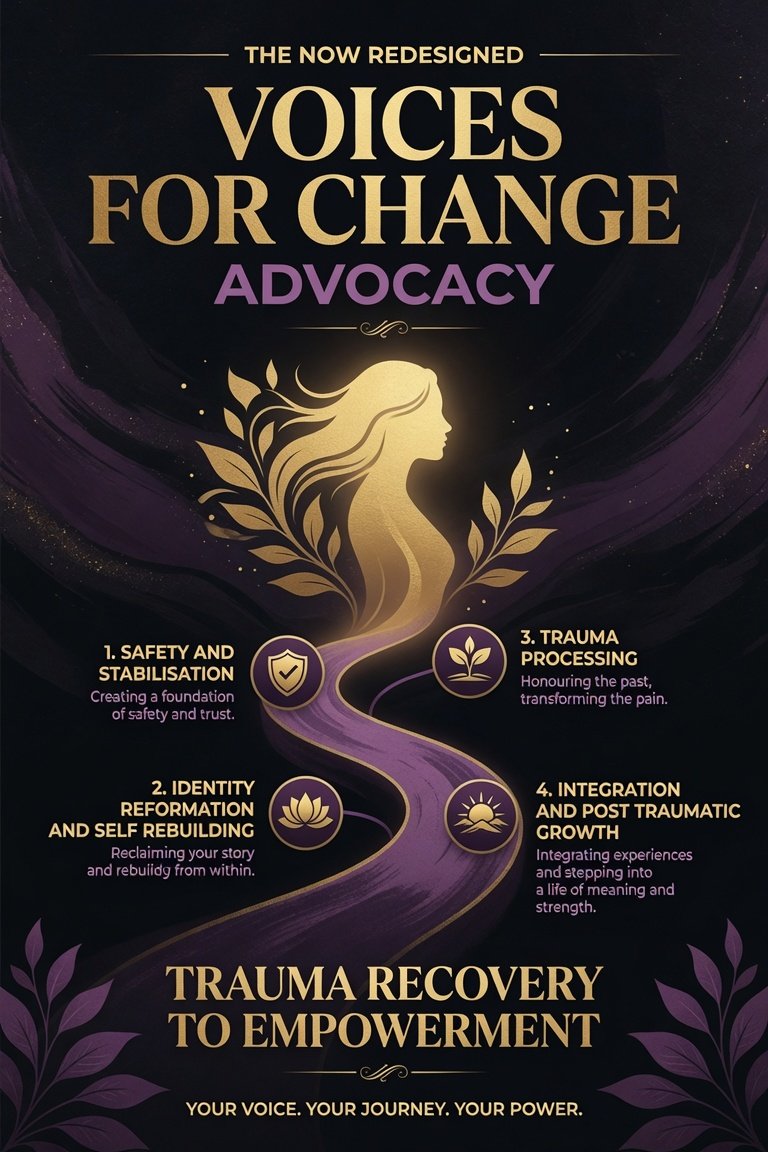
We provide free, independent advocacy, rights support, system navigation, and trauma-informed recovery pathways focused on safety, identity reformation, trauma processing, psychological dependence to medication and empowerment.
We also support you by writing to your clinician, tribunals, commissioner, MP and other services to help you in your decision or appeal to have a holistic pathway rather than forced medication. We do this by producing high-quality scientific evidence and support to back up your decision.
Reach out to us today for advocacy, guidance and clarification: